How Marshela Font Transformed My Small Business Branding
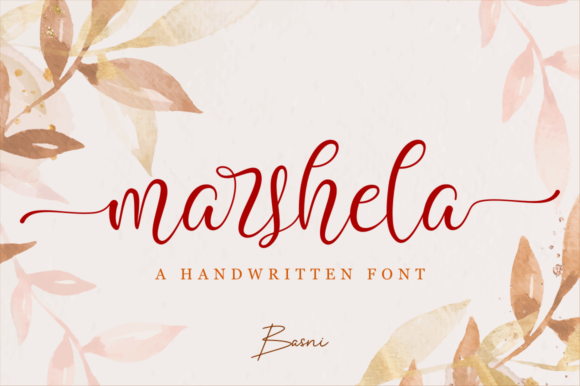
Marshela: A Script Handwritten Font That Adds Personality to Branding
When I opened my small candle-making business, I knew the products had to look as good as they smelled. I had the packaging designed, the logo created, and the social media templates ready—but something was missing. The visuals lacked warmth and personality. That’s when I discovered Marshela, a script handwritten font that would completely change how my brand looked and felt.
Marshela is a lovely and timeless handwritten font. It’s not just decorative—it’s functional. It’s perfect for creating eye-catching logos, branding materials, and short quotes that resonate with customers. Whether it’s for a candle label or a social media post, this font adds a personal touch without sacrificing professionalism.
Marshela for Candle Labels and Product Packaging
One of the first places I used Marshela was on my candle labels. Before, I was using a generic script font that came with my design software. It looked okay, but not unique. Once I switched to Marshela, the labels immediately felt more premium and intentional.
What makes Marshela especially useful for product packaging is that it’s PUA encoded. That means I can access all the alternate glyphs and special characters without needing extra software. I customized the label text to include small floral icons and ligatures that matched the soft, natural vibe of my brand.
- Improved label aesthetics
- Added unique decorative elements via PUA encoding
- Created a more memorable unboxing experience
Marshela for Social Media Branding and Visual Consistency
As an online seller, most of my customer interaction happens on Instagram and Pinterest. I wanted my social media graphics to feel cohesive and instantly recognizable. With Marshela, I was able to design quote posts, product highlights, and carousel headers that all shared a consistent visual tone.
Since it’s a script handwritten font, it works beautifully for short, impactful text. I use it for headlines and captions on image overlays. For body text or longer descriptions, I pair it with a clean sans serif font. This combination keeps the design modern while still feeling personal.
- Used Marshela for Instagram quote templates
- Paired with a modern sans serif for readability
- Created a unified look across all social posts
Marshela in Logo Design and Business Cards
My original logo was created using a basic font that didn’t stand out. After switching to Marshela for the main brand name, the logo instantly looked more polished and intentional. It now feels like a real brand, not just a side hustle.
I also updated my business cards. The handwritten elegance of Marshela gives them a boutique feel. Customers now keep the cards longer, and some even say they look like part of a luxury product line. That’s the power of good typography—it shapes perception.
Marshela for Menus and Café Branding
A friend of mine runs a small café and was redesigning her menu. She wanted something that felt warm and inviting. We used Marshela for the drink names and special offers. It brought a softness to the menu that matched the café’s cozy vibe.
Because it’s a display font, we only used it for short names and titles, not long descriptions. This kept the design clean and easy to read. The PUA encoding also allowed us to add small decorative elements between sections, giving the menu a handcrafted feel without being overwhelming.
How Marshela Helps Small Businesses Look More Professional
Before using Marshela, my brand visuals felt disjointed. Each piece—packaging, social media, logo—looked like it came from a different place. Now, everything feels connected. That consistency builds trust with customers. When people see a well-designed product, they assume the business is more established and reliable.
Typography plays a huge role in first impressions. A good font can make your brand feel elegant, playful, trustworthy, or luxurious—just through the way the letters look. Marshela gives small businesses like mine a polished edge without needing a big design budget.
Choosing the Right Use Cases for Marshela
It’s important to know where to use Marshela for maximum impact. Since it’s a script handwritten font, it shines best in short, visual formats. Here are some of the best uses:
- Logos and brand names
- Product packaging titles
- Social media quote graphics
- Business cards and thank-you notes
- Menu headers and café branding
It’s not ideal for long paragraphs or body text, but when used as a display font, it really elevates the design. Just make sure to pair it with a clean, readable font for supporting text.
Font Pairing Ideas with Marshela
One of the easiest ways to use Marshela effectively is to pair it with another font. I’ve found that a minimalist sans serif like Montserrat or Lato works great for body copy. If you want a more elegant look, try pairing it with a serif font like Playfair Display.
You can also pair it with other handwritten fonts if you’re going for a more casual, creative look—just make sure they don’t compete for attention. Marshela should be the star of the show, especially in branding and packaging design.
What to Check Before Using Marshela in Commercial Projects
Before you start using any font for business purposes, always double-check the licensing. Marshela is a commercial font, which means it’s safe to use in product packaging, digital downloads, and marketing materials. Also, make sure to check for:
- Available file formats (OTF, TTF)
- Alternate characters and ligatures
- Multilingual support
- PUA encoding for easy glyph access
Once you confirm those details, you can confidently use Marshela across all your brand visuals.